If you picture lakefront living as quiet, remote, and tucked far away from daily life, White Bear Lake may surprise you. Life here feels more like an active lake community woven into the east metro, where your morning on the shore can lead straight into downtown coffee, errands, or an evening event. If you are wondering what it is actually like to live on or near the water here, this guide will help you picture the rhythm, tradeoffs, and seasonal feel of everyday life. Let’s dive in.
White Bear Lake has a lived-in lake feel
White Bear Lake is not a resort town that goes quiet between weekends. The city describes itself as about 20 miles north of the Minneapolis/Saint Paul airport with nearly 25,000 residents and a distinct small-town character, while the Minnesota DNR identifies the lake as a recreation resource used by boaters, anglers, swimmers, birders, and wildlife watchers.
That combination shapes the overall experience. Instead of feeling isolated, lake living here often feels social, visible, and connected to everyday routines. You get the water, but you also get a real town around it.
Another important detail is that the shoreline is shared by White Bear Township and the cities of White Bear Lake, Dellwood, Mahtomedi, and Birchwood Village. That means the feel can shift from one part of the lake to another depending on whether you are closer to downtown, near a public access point, or on a more residential stretch of shore.
Daily life revolves around water and town
One of the biggest draws of White Bear Lake living is that the lake is part of day-to-day life, not just a backdrop. You can see that in how the public spaces are set up and how close many lake-oriented spots are to the downtown core.
Public access keeps the lake active
White Bear Lake County Park offers a swimming beach, boat launch, playground, picnic tables, and flush toilets, with hours from 5 a.m. to 11 p.m. The city also points to both White Bear Lake County Park and Matoska Park as key places for beaches, boating, and lake access.
Matoska Park adds another layer to the experience. It includes four acres of shoreline along with a walking path, gazebo, benches, restrooms, and boating launch permit access. Even if you do not live directly on the water, these public spaces make it easier to build lake time into your regular week.
The DNR also lists Ramsey County Beach, Matoska Park, and White Bear Docking as access points and notes that the lake has two public fishing piers. So even homes without private frontage can still feel closely tied to the lake lifestyle.
Downtown adds energy and convenience
Downtown White Bear Lake is compact and easy to picture as part of your normal routine. The downtown association presents it as a shopping and dining district with a lake-town feel, and Railroad Park adds benches, a gazebo, flower gardens, and a fountain right in the heart of downtown.
In summer, Marketfest brings even more activity with live music, food, children's activities, and more than 200 vendor booths on Thursday evenings. For many buyers, that is part of the appeal. You are not choosing between lake life and town life. In White Bear Lake, the two often overlap.
What lakefront living feels like day to day
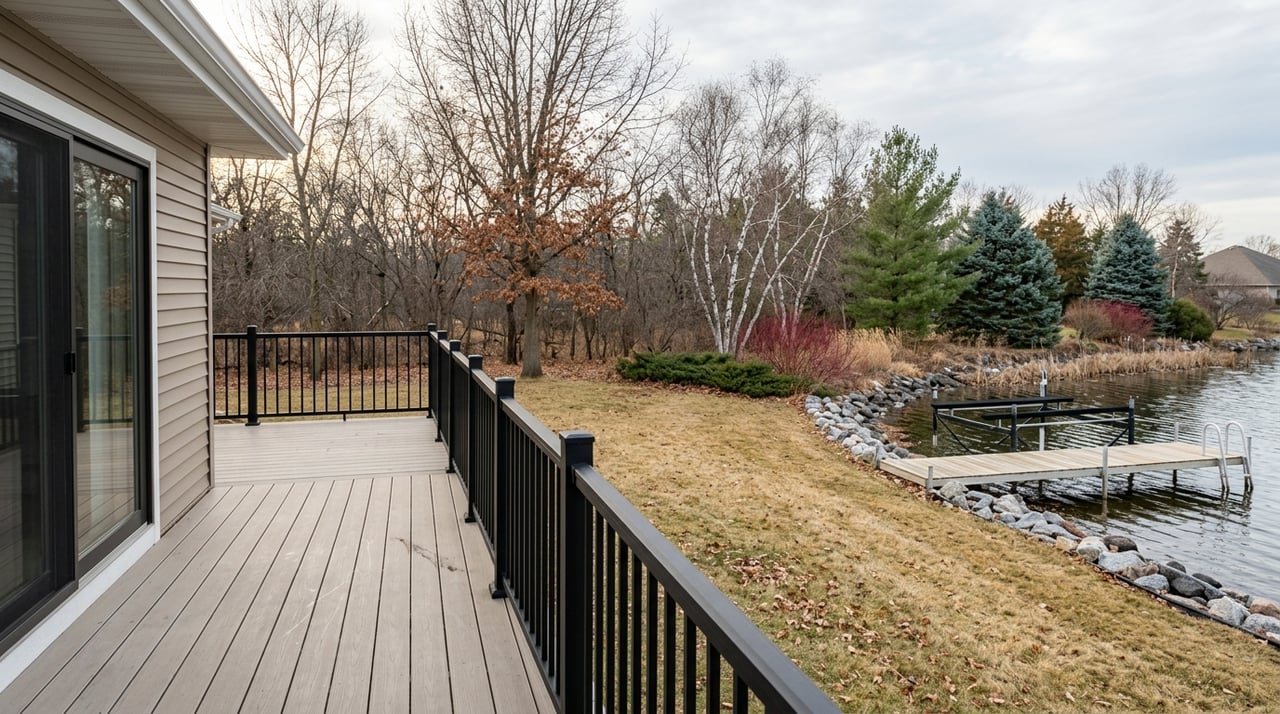
If you live directly on the water, the lake becomes part of your routine in a very immediate way. You notice the weather more, the boat traffic more, and the seasonal shifts more. The views are immersive, and access is immediate, but so is your exposure to the changing conditions that come with a working recreational lake.
The DNR describes White Bear Lake as a popular angling lake and notes that anglers should expect competition from recreational boaters on weekends and holidays. That tells you something important about the atmosphere in peak season. This is generally a lively lake, especially when the weather is good.
For some people, that energy is the whole point. A busier shoreline, active boating scene, and regular community use can make the lake feel vibrant and full of life. If you are hoping for stillness at all times, though, it is worth understanding that White Bear Lake often delivers activity rather than seclusion.
Boat ownership comes with routine upkeep
Lake living here also includes some practical responsibilities. The DNR reports that White Bear Lake contains Eurasian watermilfoil and zebra mussels, so boats and trailers need to be cleaned and drained before leaving the water.
That may sound small, but it is part of the real day-to-day culture of boating on the lake. Owners need to think about upkeep, cleanup, and responsible use, not just recreation. It is one more reminder that true lakefront living is both enjoyable and hands-on.
Near-lake homes can feel easier
Not every buyer wants the full responsibility of direct shoreline ownership. In White Bear Lake, homes a few blocks back often appeal to people who want regular lake access and the atmosphere of the area without some of the added maintenance and exposure that come with private frontage.
That setup can make everyday life feel simpler. You may have easier access to downtown shops, restaurants, parks, and events while still being able to walk or drive to the water quickly. For many people, that balance feels practical and enjoyable.
Downtown-adjacent homes can be especially appealing if you care about convenience and community rhythm. The tradeoff is usually less immediate access to the water, but the payoff can be a very easy daily routine with more of White Bear Lake's social side close at hand.
Summer is the most lake-centered season
Summer is when White Bear Lake feels busiest and most visibly tied to the water. The city maintains 24 parks, including public docks, and city parks are open from 6 a.m. to 10 p.m. During this season, boating, swimming, fishing, and evening park visits become a major part of the local rhythm.
The DNR says the lake supports species including walleye, bass, bluegill, crappie, pike, and muskellunge. For buyers who enjoy fishing, that helps explain why the lake draws steady use throughout the warmer months.
This is also when the downtown and lake combination stands out the most. A summer day can include time on the shoreline, a stop in town, and an evening event without much driving or planning. That convenience is a big part of what makes White Bear Lake feel different from a more remote lake market.
Winter changes the rhythm, not the lifestyle
A lot of people assume lake living slows down completely once the weather turns. In White Bear Lake, winter changes how people use the area, but it does not make the lake irrelevant.
The DNR says ice fishing is popular in winter, and the city maintains skating facilities and winter ice rinks at neighborhood parks. The White Bear Lake Sports Center also offers public ice skating and hockey programming without a membership fee.
The city reports an average of 54 inches of snowfall and notes that it plows streets, sidewalks, parking lots, and skating rinks. Parks remain open in colder months, although restrooms are winterized and closed. So while winter brings a different pace, it still supports an active outdoor lifestyle.
The shoreline is always changing
One of the most important realities of lakefront ownership is that the shoreline is not static. According to the DNR, White Bear Lake water levels fluctuate with weather and other factors, and the historic range between high and low water levels is nearly eight feet.
That matters because the feel of your shoreline, your view, and your access can change over time. Some years may look and feel different than others. Buyers considering direct waterfront should understand that this kind of property comes with a relationship to changing natural conditions, not a fixed edge that always behaves the same way.
The DNR established a protective elevation of 922.0 feet to help balance recreation and ecosystem health. For you as a buyer, the practical takeaway is simple: lakefront living here is dynamic, and that is part of the experience.
Future connectivity is still evolving
If you are thinking about walkability and lake circulation, it is worth knowing that White Bear Lake continues to invest in access and connectivity. The planned Lake Links Trail would connect White Bear Avenue to Century Avenue, primarily along South Shore Boulevard around the lake.
Because it is still planned, it should be viewed as a future improvement rather than an existing continuous lakeside trail. Still, it shows the city is thinking about how residents move around the lake and connect neighborhoods, parks, and public spaces over time.
Is White Bear Lake lakefront right for you?
The answer depends on what kind of lifestyle you want most. If you want immediate water access, changing views, and a front-row seat to boating and seasonal lake activity, direct waterfront may feel exciting and worth the extra responsibility.
If you care more about flexibility, convenience, and being close to both the lake and downtown, a near-lake or downtown-adjacent home may be the better fit. In White Bear Lake, you do not have to own on the shoreline to enjoy a strong lake-centered lifestyle.
That is what makes this market so appealing. It offers more than one version of lake living, and the best choice usually comes down to how you want your everyday life to feel.
If you are thinking about buying or selling near the lake, working with a local expert can help you weigh the lifestyle tradeoffs as well as the property details. Maisa Olson brings a research-backed, neighborhood-focused approach that can help you make a confident move in White Bear Lake.
FAQs
Can you enjoy White Bear Lake without owning waterfront property?
- Yes. The city and county identify public access sites, a municipal swimming beach, boat-launch options, and shoreline parks that make lake use available beyond private frontage.
Is White Bear Lake busy during summer weekends?
- Yes. The Minnesota DNR says recreational boaters are common, especially on weekends and holidays, so peak-season lake activity tends to feel lively.
Does White Bear Lake still feel active in winter?
- Yes. Ice fishing is popular, neighborhood parks maintain skating rinks, and the White Bear Lake Sports Center offers public ice activities.
What does direct lakefront living in White Bear Lake feel like?
- It typically feels the most immersive, with quick water access and changing views, but it also brings closer exposure to boat traffic, seasonal shoreline shifts, and ongoing upkeep.
What do near-lake homes in White Bear Lake feel like?
- They often feel more convenient for daily life, with easier access to downtown, parks, and events while still keeping the lake close to your routine.