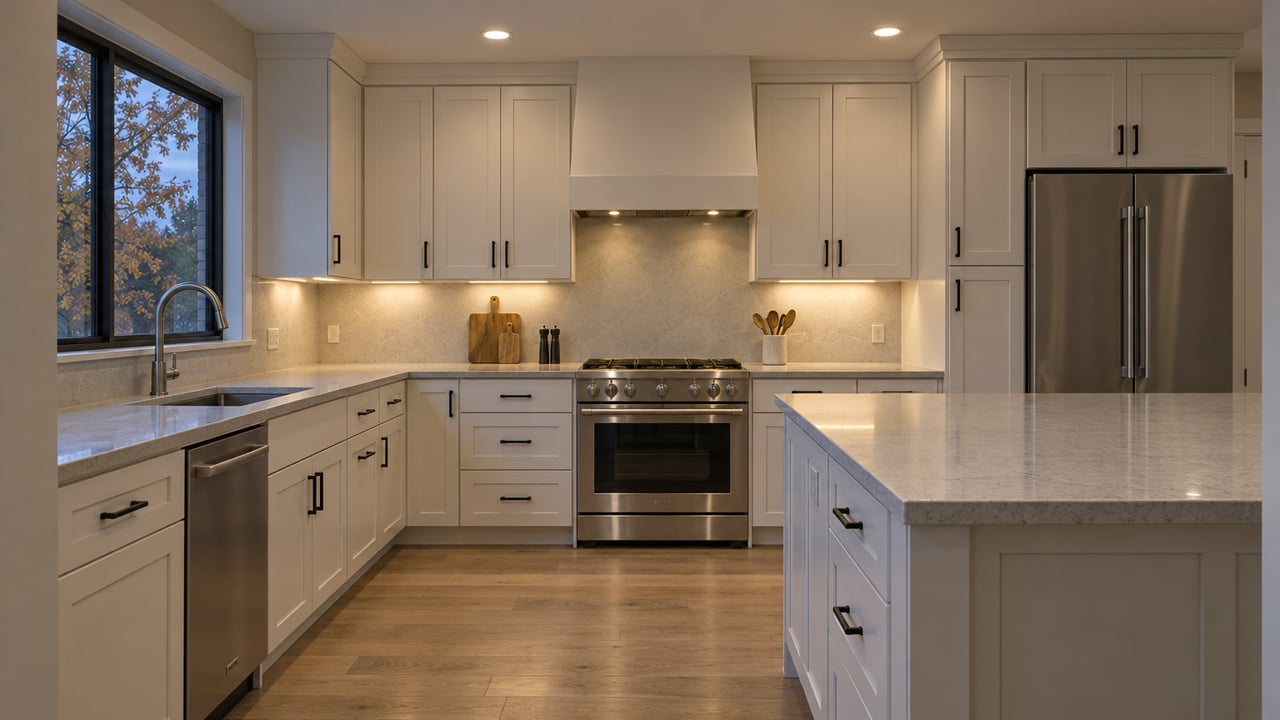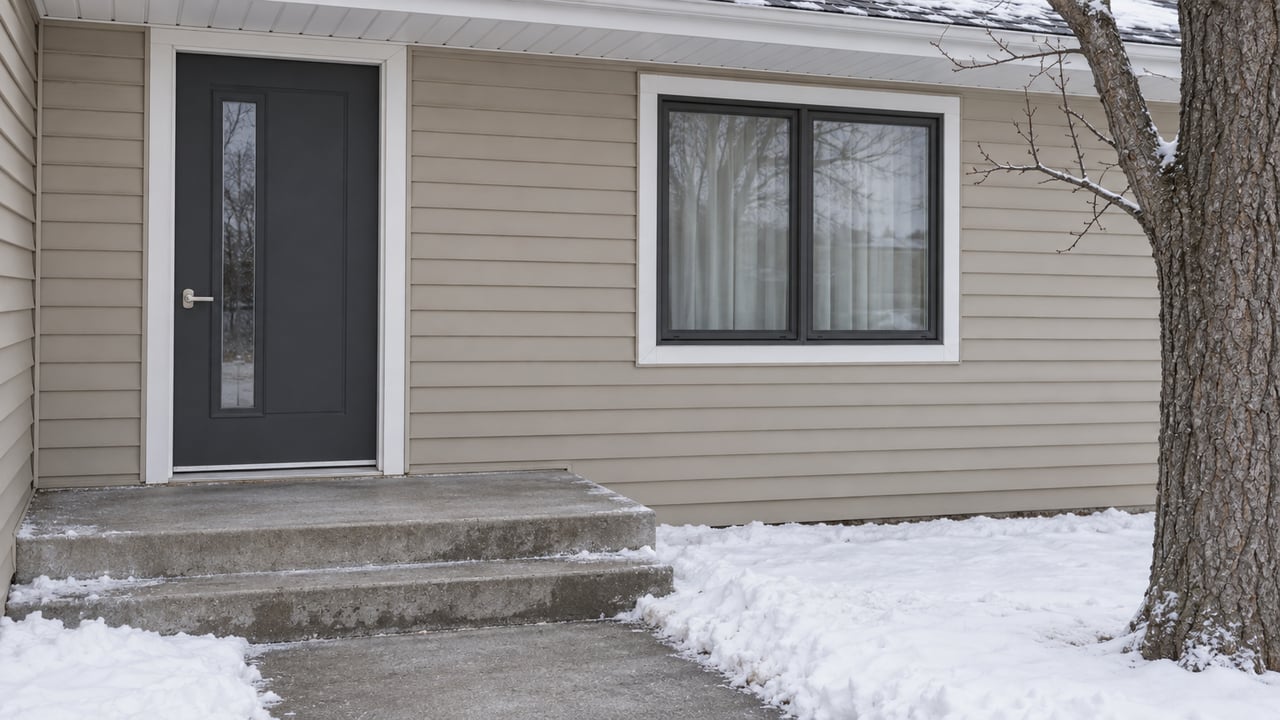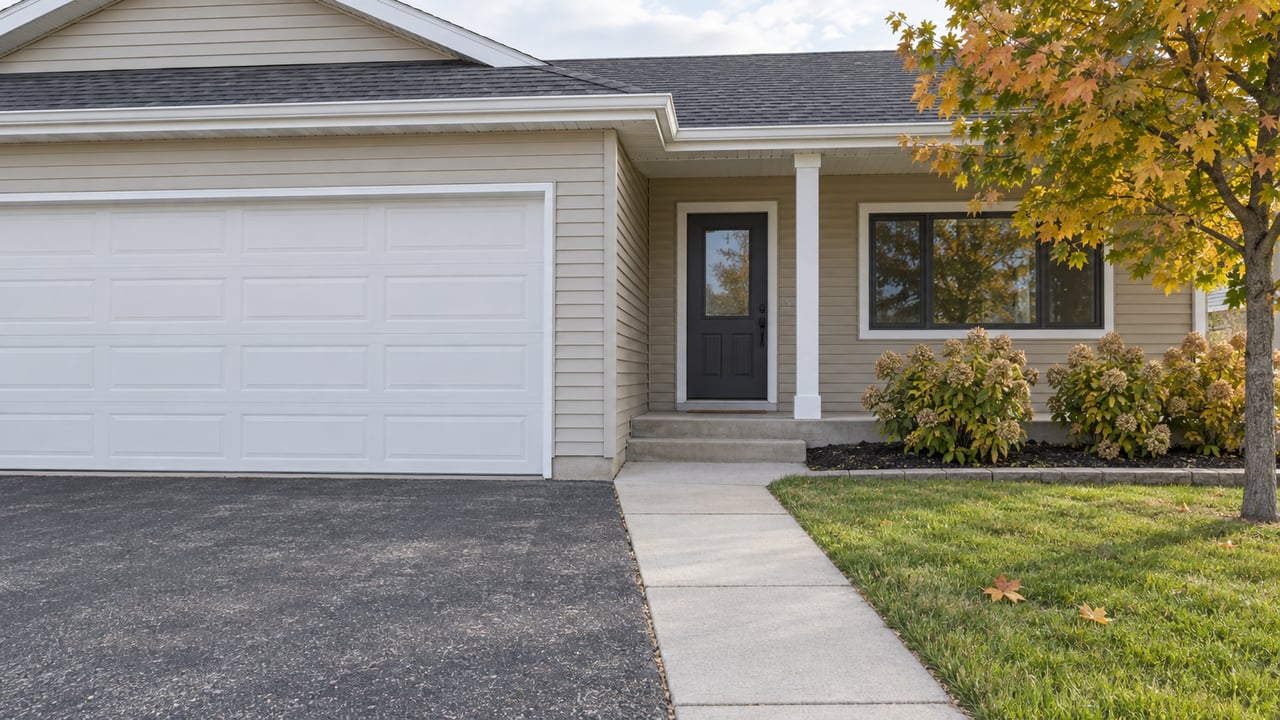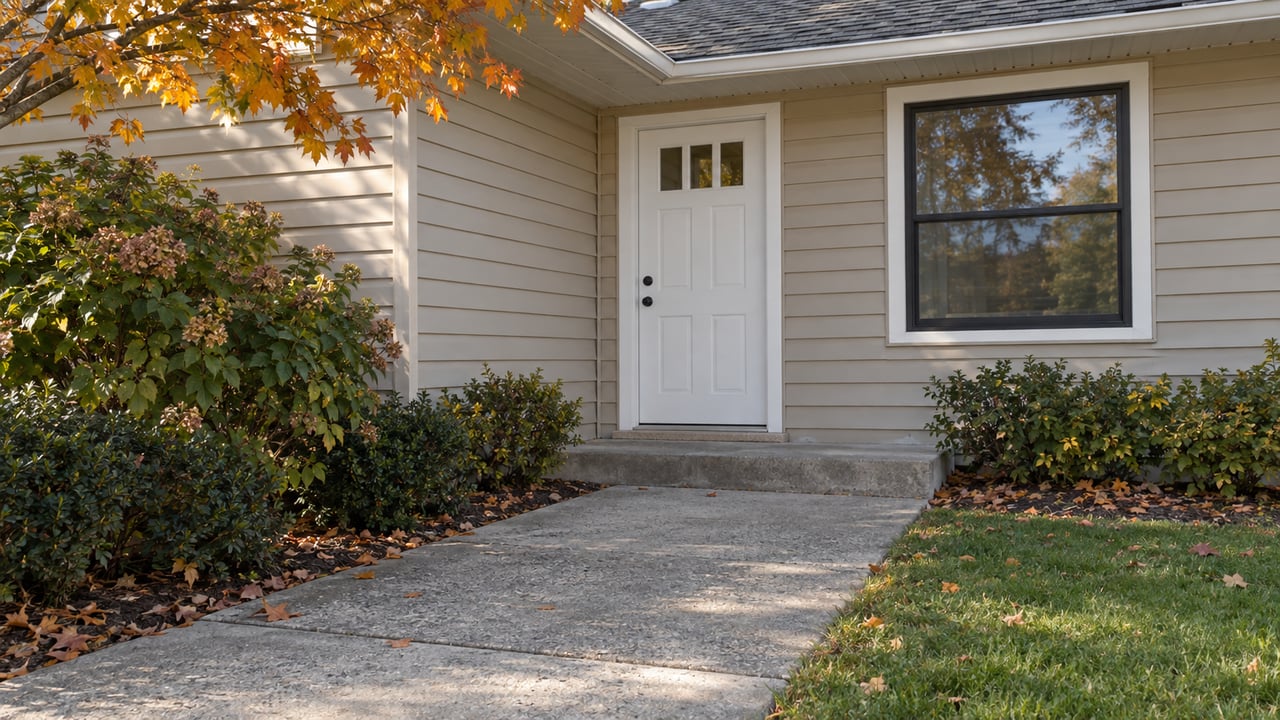
The inspection contingency is where a White Bear Lake purchase agreement stops being about price and starts being about the house. And the house, in this town, is rarely one thing. A 1920s bungalow three blocks from the shore, a 1958 rambler on the west side of Highway 61, a converted summer cottage that got a foundation and a furnace at some point in the last forty years, and a tear-down rebuild two doors down all get the same generic checklist from a national inspector who flew in for the day. That is the problem worth fixing before you sign.
The current market gives you room to fix it. Homes in White Bear Lake sold in a median 17 days over the three months ending May 2026, compared with 13 days in the same window last year, with the median sale price at $357,000. That four-day cushion is not a lot, but it is real, and it changes what an inspection contingency can accomplish.
The One Number That Changed The Inspection Conversation
A year ago, a White Bear Lake buyer who paused for a thorough inspection often lost the house. This year, the median sale timeline has stretched and 82 homes closed in May 2026 versus 75 a year prior, which means more comparable inventory exists at any given moment. That combination gives buyers back the leverage to write a specific contingency instead of a token one, and it gives sellers a reason to pre-inspect rather than gamble on what a buyer's inspector will surface.
The practical shift: the negotiation now happens on the report, not the offer.
Read The House By Its Vintage
The housing stock inside city limits sorts into a handful of distinct construction eras, and each era carries its own likely findings. A local inspector who works White Bear Lake full time describes the mix as 1920s bungalows, postwar ramblers, converted shoreline cottages, and newer tear-down rebuilds, spread across the historic downtown, the shoreline neighborhoods ringing the lake, and the established residential grid west of Highway 61.
1920s bungalows almost always have a story about the electrical panel. Original fuse panels, cloth-sheathed wiring in the reachable branches, and ungrounded two-prong outlets on the second floor are common. None of these are automatic dealbreakers, but each becomes a specific dollar figure once the inspector documents it. Plan on a longer visit: a century home with additions, an old fuse panel, and a converted footprint can push an inspection past three hours where a straightforward rambler runs closer to two.
Postwar ramblers, the workhorse of the west-of-61 grid, tend to hide their issues in the mechanicals rather than the structure. Original cast iron drain stacks, galvanized supply lines still buried in a wall or two, a furnace that has been serviced but never replaced, and knob-and-tube remnants in the attic space above a later ceiling.
Converted shoreline cottages are the wildcard. A cottage that was seasonal in 1947 and became year-round in 1974 will show every layer of that history. Retrofit foundations, added heat that never quite matched the original footprint, plumbing that was upgraded twice, and roof lines that meet at odd flashings.
Tear-down rebuilds get a different set of questions entirely. City codes do not always address defects that show up in new construction, so the inspection focus shifts to grading, flashing details, and workmanship. New does not mean skip the sewer scope either.
What The Lake Does To Basements
The shoreline neighborhoods sit on sandy lake-margin soils with a high water table near the shore. That single sentence explains most of what a thermal camera and moisture meter will find in a basement between the lake and the tracks. Efflorescence on a block foundation, a faint tide line six inches up a wall, a sump pump that runs more than the seller mentioned, a crawl space with a humidity reading well above the rest of the house.
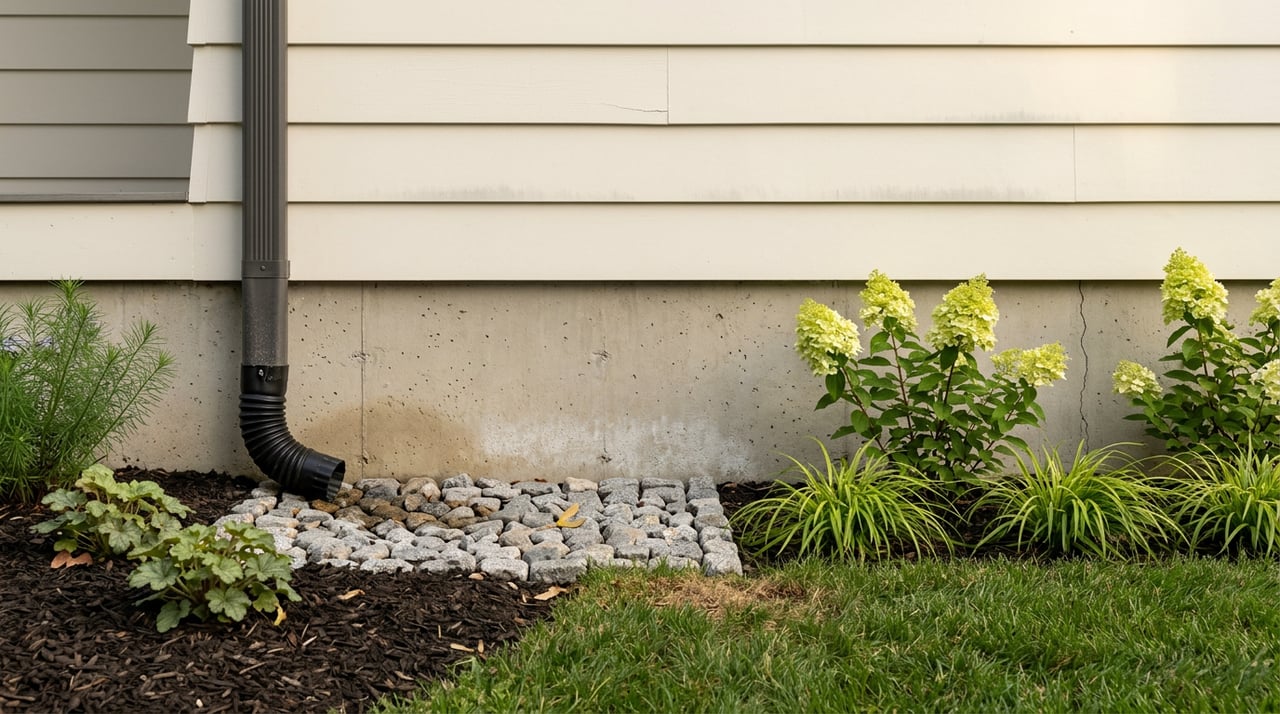
None of it is disqualifying, and most of it is manageable with proper grading, downspout extensions, and a functioning sump. What matters is that the inspector actually looks for it with the right instruments. A good local inspection here includes thermal imaging and moisture metering as baseline tools, not upsells. The distinction matters most on lakefront properties, where foundation settlement near the lake, moisture intrusion in below-grade rooms, ice dam damage from Minnesota winters, and HVAC efficiency challenges in older lakefront homes recur enough that any inspector who has worked the shoreline will name them without being asked.
The Sewer Scope Question On Pre-1980 Lines
If the house was built before 1980, a sewer scope is not optional. The camera goes down the main drain line from a cleanout or a pulled toilet and looks for broken or collapsed pipes, offset or sagged sections, and blockages from tree roots. On a bungalow with a mature boulevard elm or oak between the house and the street, this is the finding most likely to reset the negotiation.
A clean scope on a 1925 line is a genuine asset the seller can put in the listing packet. A scope showing a bellied clay section under the front yard is a five-figure conversation that either moves the price, moves the closing timeline, or moves the buyer off the deal. All three of those outcomes are better than discovering the same thing six months after closing.
New construction gets a scope too. Root intrusion is not the risk there, but crushed pipe from backfill and improper slope are.
The Two-Year Clock In The Radon Disclosure
Minnesota is a disclosure state, not a testing state, and the difference matters. Under the Minnesota Radon Awareness Act, a seller must disclose in writing, before the purchase agreement is signed, any knowledge of radon concentrations in the dwelling, provide records of any prior tests, describe any mitigation or remediation, and hand over the Minnesota Department of Health publication titled "Radon in Real Estate Transactions." The law does not require the seller to test. It requires the seller to be honest about what they already know.
The clock most parties overlook: a buyer injured by a violation has two years from closing to bring a civil action. That window is the reason sellers should not treat the disclosure form as boilerplate, and the reason buyers should keep every version of the disclosure and every test report in the closing file.
If a test is done during the transaction, the Minnesota Department of Health recommends a licensed radon measurement professional, testing at each foundation type present in the home, and a signed notification form documenting closed-house conditions. When a mitigation system is installed, an MDH tag is affixed once the work is complete. Ask to see it. On a house with a basement, a crawl space, and a slab addition, one test in the basement is not a full picture.
Sequencing The Contingency Window
Here is where the market pace and the inspection details meet. With a median 17 days on market, most White Bear Lake purchase agreements now allow a five to seven day inspection contingency without triggering seller anxiety. Use it deliberately.
Book the general inspector, the sewer scope, and the radon test as a coordinated visit rather than three separate trips. On a shoreline property, add the moisture and thermal walk-through to the general scope of work in the engagement, not as an afterthought. On a pre-1980 house, put the sewer scope on the calendar the day the contingency starts, not the day it ends, because a bellied line changes every subsequent conversation.
For sellers, the same logic runs in reverse. A pre-listing inspection with the sewer scope already done and a current radon test on file removes the three biggest surprises from the buyer's report. That does not eliminate negotiation. It moves it to smaller items where a $2,000 credit closes the deal instead of a $15,000 renegotiation that puts the whole file at risk.
FAQ
Does the City of White Bear Lake require a point-of-sale inspection? No. Minneapolis and Saint Paul run truth-in-housing programs. White Bear Lake does not. A private inspection is standard practice, but no municipal certificate is required to close.
Is a radon test required to sell a home in White Bear Lake? No. The Minnesota Radon Awareness Act requires disclosure of what the seller knows, provision of the MDH pamphlet, and delivery of any existing test records. It does not require a new test.
How long should the inspection contingency run? Five to seven days is workable in the current White Bear Lake market. That is enough to coordinate a general inspection, sewer scope, and radon measurement, review the report, and open a repair conversation before the contingency expires. On a century home or a converted cottage, ask for the full seven.
Every White Bear Lake house has a report waiting to be written about it, and the negotiation that follows depends on how carefully the report is read. If you are preparing to list, Maisa Olson can walk your home the way a buyer's inspector will, so the surprises are yours to price in before the market sees them. If you are under contract or close to it, the same appraisal-grade lens applies to the report on the house you are trying to buy. Book a free valuation consultation to talk through your specific property before inspection day sets the terms.