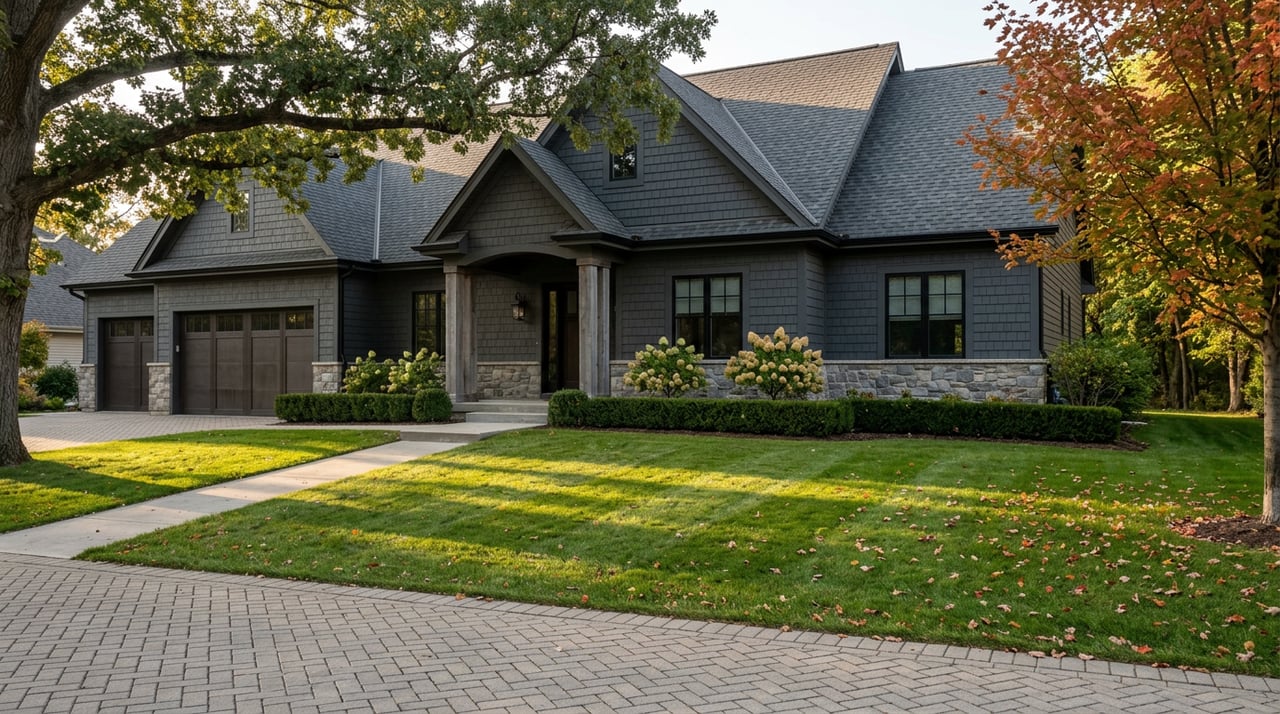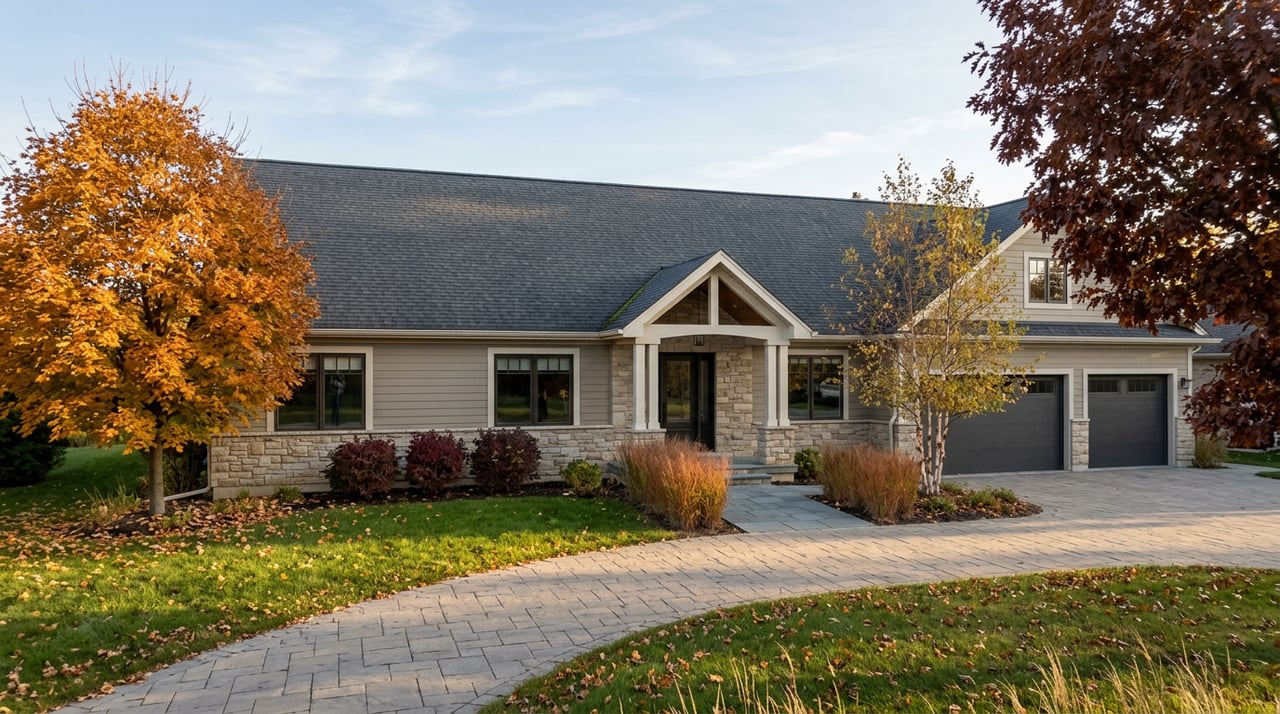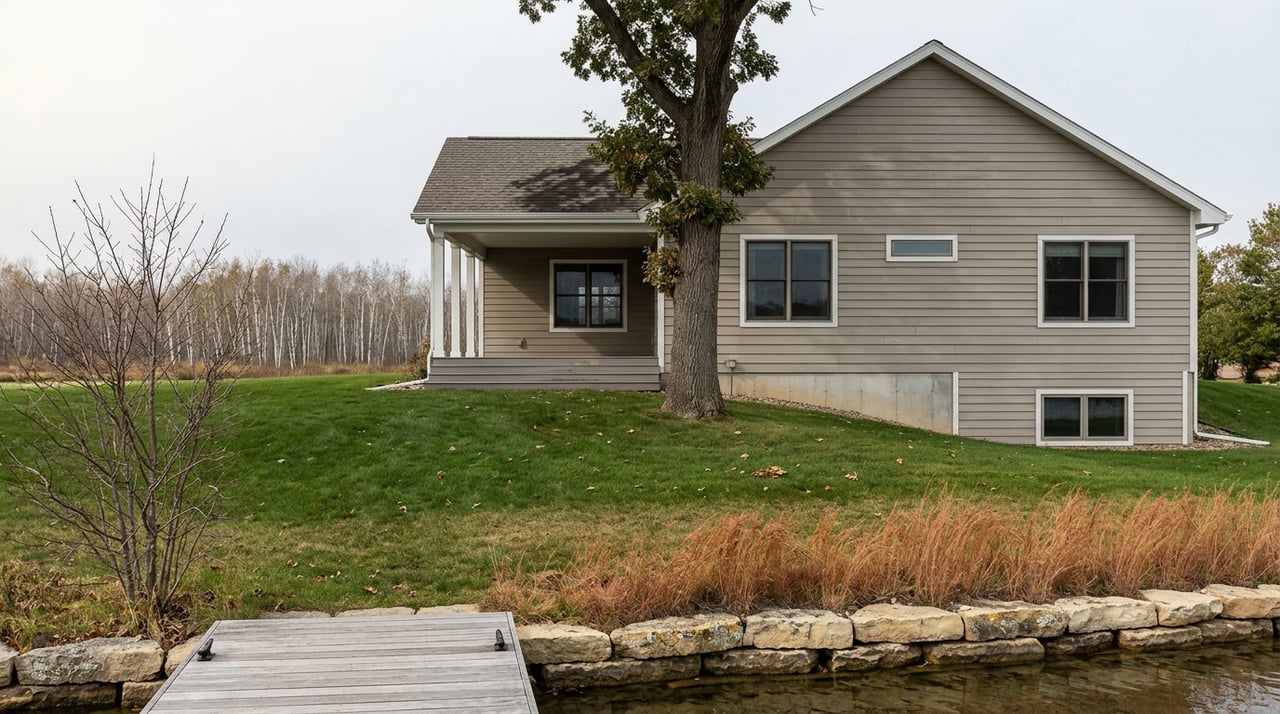
Two homes, three blocks apart, same city, same schools, same lake. One sits on the water and lists for several times what the other, just two streets back, commands. Ask most buyers what explains a gap that wide and they will say the obvious thing: a dock and a view are worth a lot of money. That is true, but it is not the whole story. The bigger driver is a legal fight over the lake itself that has been running for more than a decade and is still not settled.
The Ban Everyone Still Talks About Isn't Actually the Law
If you have spent any time researching White Bear Lake, you have probably heard some version of the story: the lake got too low because cities pumped too much groundwater, homeowners sued, and now there is a sprinkler ban tied to how full the lake gets. That story was true for years. It is no longer accurate in one specific way that matters if you are pricing a purchase today.
The case goes back to November 2012, when the White Bear Lake Restoration Association and the White Bear Lake Homeowners Association sued the Minnesota DNR in Ramsey County District Court, arguing the agency had permitted too much groundwater withdrawal near the lake. A three-week bench trial followed in March 2017, and on August 30 of that year the court sided with the homeowners. The order required the DNR to stop issuing new groundwater permits within five miles of the lake, set a protective elevation, and support funding to move nearby cities onto surface water instead of wells. The DNR's appeal of that ruling was ultimately unsuccessful.
One of the resulting court-ordered permit conditions created a residential irrigation ban that would trigger automatically whenever the lake dropped below a set level. In May 2024, an administrative law judge reviewing the permit conditions upheld three of the four original requirements but struck down the irrigation ban specifically, calling it too under-inclusive to survive legal scrutiny. Water attorney Byron Starns, who represents the White Bear Lake Homeowners Association, has described the lake's dependence on groundwater with a simple comparison: "like the bathtub analogy, you take it out, it'll drain the lake." The bathtub analogy still holds. The sprinkler ban that was supposed to enforce it does not, at least not as originally written. Several water suppliers and the original plaintiffs have appealed that May 2024 order to the Minnesota Court of Appeals, and the case remains open according to the DNR's own case tracking.
Three Numbers That Matter More Than the View
Lake elevation sounds like a single fact. It is actually three separate numbers, each doing different regulatory work, and confusing them is where most buyers go wrong.
| Elevation | Value | What it actually controls |
|---|---|---|
| Ordinary High Water Level | 924.89 ft | Fixed shoreland zoning boundary; does not move with the lake |
| DNR protective elevation (set 2016) | 922.0 ft | Management target intended to protect recreational use of the lake |
| Former irrigation-ban trigger (struck down 2024) | 923.5 ft | No longer an active enforcement line, though it still shows up in older articles and listing descriptions |
| Historic range | 918.84 ft (2013 low) to 926.7 ft (1943 high) | Shows nearly eight feet of natural swing over the past century |
The Ordinary High Water Level is the one that quietly matters most for a transaction, because it is the fixed line the city uses to determine whether a property falls under shoreland zoning rules, regardless of what the lake happens to measure on closing day. The protective elevation is a management goal, not a hard legal ceiling. And that eight-foot historic swing means a lake that looks low the week you tour a house is not necessarily a lake in permanent decline. It has bounced within that range before.
What This Actually Prices Into a Lakefront Offer
Direct lakefront homes here routinely trade for multiples of what a home two or three blocks off the water commands in the same city. That spread is wider than you would expect from view and dock access alone, and the legal uncertainty is a real part of the answer.
In early 2022, the DNR ran its groundwater flow model and found that maintaining the protective elevation would require cutting area water use by roughly 40 percent, which at current population would leave only about 55 gallons per person per day, enough for basic domestic use and nothing left over for irrigation, agriculture, or most commercial and industrial uses. The DNR itself balked at enforcing that cut outright and asked the court for clarification instead. That is the tension buyers are pricing in: not a sprinkler ban that no longer applies, but the open question of how far cities will eventually have to go to keep the lake at a healthy level, and what that means for permitting, water rates, and shoreline improvements over the next decade. Minnesota lawmakers introduced a bill in 2023 that would give the Metropolitan Council four years and 3 million dollars to help affected cities plan a shift from groundwater wells toward the Mississippi River as a water source. Scarcity on a resource with an unresolved legal future commands a premium. That is the mechanism behind the price gap, not just the dock.
Three Regulators, One Shoreline
Anyone buying lakeshore property here will eventually need to know who to call, because it is not one agency. The city handles anything above the Ordinary High Water Level, on your actual lot. The White Bear Lake Conservation District handles activity on the water surface itself, including dock permits, swimming floats, and events. The DNR handles anything in the water or below that line, such as shoreline alterations or dredging.
Most basic docks do not need a permit at all. Under DNR rules, a dock avoids the permit requirement if it is no wider than 8 feet, is not combined with other structures into something larger, reaches only as far as needed for navigable depth, and does not function as a marina. A general permit covers slightly larger docks, up to 120 square feet of platform not counting the walkway, or 170 square feet including it, as long as the walkway itself stays at 5 feet or narrower. Anything bigger or more complex needs review from the Conservation District, which also recommends temporary rather than permanent docks because of ice damage each winter. The lake also carries Eurasian watermilfoil and zebra mussels, so clean, drain, and dry habits for boats and equipment are not optional courtesy, they are how the lake avoids further decline.
Where Renovation Dollars Actually Help
Maisa Olson's background is in appraisal, which means the question that matters here is not just what is required but what actually holds or adds value at resale. The Rice Creek Watershed District offers cost-share assistance for lakeshore owners who install native plantings, rain gardens, shoreline restoration, or pervious driveways, projects that reduce runoff into the lake and, in a market this sensitive to water quality headlines, tend to read well to a future buyer's inspector and appraiser alike. A stabilized shoreline with documented permits is a different asset than one with informal riprap and no paper trail. For a seller, that documentation is worth assembling before listing, not after an offer comes in and a buyer's agent starts asking questions the seller cannot answer.
FAQ
Is White Bear Lake actually drying up for good? No. The lake has swung across nearly eight feet of elevation over the past century, including a 2013 low and a 1943 high. Current groundwater pumping has kept it below the DNR's 2016 protective elevation more often than regulators want, but the lake has recovered from low points before.
Do I need a permit for a small dock? Usually not. Basic docks under 8 feet wide that reach only as far as needed for navigable water typically avoid the permit requirement entirely. Anything larger or more complex needs review from the White Bear Lake Conservation District.
Is the irrigation ban still something I should worry about as a lakeshore owner? The specific automatic ban tied to the 923.5 foot trigger was struck down by an administrative law judge in May 2024 as legally unenforceable. The broader case about how the region manages groundwater is still on appeal, so the underlying pressure has not gone away even though that particular rule did.
Does any of this affect homes that aren't on the water? Less directly. Off-lake homes in White Bear Lake are not subject to shoreland zoning or dock permitting, but the same groundwater case affects the municipal water supply for the whole area, which is part of why the long-term surface water conversion discussion involves the city as a whole, not just lakeshore owners.
If you are weighing a lakefront purchase, a near-lake alternative, or a sale where shoreline documentation could make or break your asking price, this is exactly the kind of research-backed conversation an appraisal-trained agent is built for. Maisa Olson works these numbers daily for buyers and sellers across White Bear Lake. Book a free valuation consultation to talk through what your specific property, on the water or off it, is actually worth in this market.